

A Guide to Noise Cancelling Over Ear Headphones
Whether you live in a noisy city, take daily commutes or work at home, noise-cancelling headphones are vital to keep your focus and hearing intact. There's plenty to pick from.
Noise cancellation uses electronic devices to create a sound that is 180deg out of phase with ambient sounds, thereby cancelling them out. This can help you focus in the office or get some shut-eye during your next flight.
Sound Quality
Active noise cancelling headphones have powered technology that uses batteries to produce sound waves to counteract the ambient sound. These headphones with noise cancellation feature miniature microphones that listen to the outside world and produce the opposite sound. They block out background noise, and cancels out the unwanted frequencies, allowing you to focus on your music content. Our acoustic engineers evaluated these headphones for how well they blocked out sounds from outside and how much the noise cancellation tech interfered with audio frequencies, which are the things you are really interested in when listening to podcasts or music.
In our tests, we measured how well the headphones could block higher-frequency, continuous noises such as plane engines and restaurant chatter as well as incidental sounds such as brakes squealing or a colleague's animated conversation. We also looked at how much noise-canceling tech interfered in general with audio frequencies, and how much of a difference there was between different headphones in terms of their capacity to cut down on ambient sound.
Noise-canceling headphones have a "hoppy sound" and often lack clarity in the high frequencies. This is because ANC creates soundwaves which are distinct from the audio being played, and may sometimes interfere high frequencies. The best headphones we tested can minimize this effect but not completely eliminate it completely.
The monoprice BT-600ANC are a budget pair of noise cancelling headphones that do fairly well. The headphones are lightweight and comfortable, and they have a range of features including ANC and ambient awareness modes. They also support high-quality codecs LDAC and Apt X, which are similar to CD quality. They don't have as much isolation as other headphones, however they'll be adequate for casual listeners.
The Sony WH-1000XM5 are the top pick for a lot of buyers due to the fact that they tick all the right boxes. They offer excellent noise cancellation and smooth sound quality, as well as a lot of useful features such as Quick Attention mode, Speak-to-Chat wear detection, and DSEE Extreme upscaling. The only drawbacks are that they don't have water resistance and they can't fold flat, so they won't be a great fit for the gym.
Noise Cancellation
Noise cancelling headphones combine hardware (microphones and firmware) to actively listen to ambient noises and help them be quieter when you are listening to music or watching videos. This is known as active noise cancellation, or ANC for short. It works by using a technique called phase inversion, which creates exactly opposite sound waves, which block them out.
As a result, you'll get to enjoy your audio as the speaker focuses solely on the music and you can tune out any distractions. The noise cancelling capabilities of headphones differ from model to model, with models that are over-ear capable of providing the most comprehensive noise cancellation because their earcups are sealed over your ears. Some on-ear and In-ear headphones offer decent noise cancellation, but they are not as effective in blocking out rumbles that are constant like the roar of aircraft engines and other background noises.
The digital signal processing in headphones makes use of the microphones to monitor ambient noise. Then, it plays the opposite of what's coming out of the speakers. This cancels it out. You're left with only the audio of the media you're listening to, and it should be played at the same volume as the song or podcast.
Some users of ANC headsets have complained of disorientation and dizziness. While these complaints are common however, they shouldn't cause the most discomfort. They're more likely to occur when you listen for long periods of time and are exposed to lots of high frequencies, which are not blocked by the ear canal and more prone to irritation.
Noise cancelling headphones are an excellent option for frequent travelers and commuters as well as those who work in noisy settings. They can block out the roar of trains, planes and automobiles to give you a space to focus on your personal audio experience or podcast. But don't count on to completely block out all background noises, since it would be unsafe to do so when you can't hear pedestrians or cars approaching you.
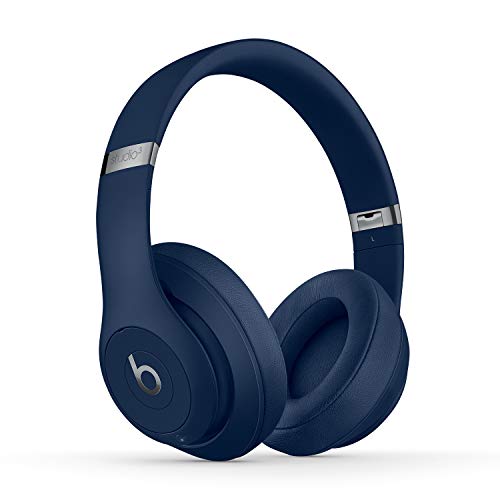
A great pair of noise cancelling headphones that can be used while on the move is the Monoprice BT600ANC A lightweight model at a budget price. These headphones are loaded with features that you would expect to find in more expensive headphones. They come with a custom EQ, support for AAC audio codecs, and aptX.
Battery Life
The electronic noise-canceling technology in headphones needs energy, which typically comes from rechargeable batteries. This means you'll probably go through them pretty quickly. Keeping extras around or deciding to purchase an wireless device with Bluetooth codec support will help ensure that you're prepared to turn off the world whenever you need to.
Noise cancelling headphones function by emitting anti-sound signals that block the structure of intrusive sounds. This can cause a small amount of sound leakage but it's usually better than having the noise of your plane's engine or traffic leak into your music. It's also important to keep in mind that ANC may alter the quality of your music a bit Some users have reported a loud hiss when nothing is playing on their headphones, however this shouldn't be much of an issue for most listeners.
Our tests on earbuds and headphones have revealed that active noise cancellation is more effective than passive isolation. To effectively block out outside noise, you must have a tight seal between your ears and the headset's ear cups or buds. This is why a well-fitting pair of in-ears with Comply memory foam tips or over-ears with a full enclose your ears are key to maximizing the use of your headphones.
The Sony WH-1000XM5 headphones have been lauded by a variety of reviewers, and we can see the reason. It has a lower volume of external noise than its predecessors and has a variety of useful features, including Quick Attention mode and DSEE Extreme Upscaling. They're light, comfortable and have a fashionable look with top-quality materials.
The headphones don't fold as compactly as other models. However, this is a minor fault for such a great pair of headphones. The headphones are also reasonably priced and come with an extremely long-lasting battery that can last you through long flights or commutes.
The Edifier WH950NB is a pair of noise-canceling, budget-friendly headphones that competes on features with more expensive models from major brands. They're light, comfortable and fold down into the size of a case that fits neatly in your bag. The ANC is excellent at reducing low-frequency sounds, and the quality of the audio is excellent.
Design
If you're looking to block out the world while you commute, or catch some rest on a plane headphones that block out noise can be an important factor. However, finding best over ear headphones noise-cancelling can be a challenge. We've put together a list of tips to assist you in finding the ideal pair for you. We've looked at a range of aspects that range from ANC magic to sleek design. We also checked whether the model allows you to adjust noise cancellation, if the headphones have an on-ear sensor to stop music when you remove them, and promised battery life.
There are two main types that are active and passive. Passive headphones are made of cushioned earcups that physically block out external sounds from entering your ears, whereas active noise cancelling utilizes built-in microphones that listen to the surrounding environment and create "anti-noise" frequencies that block the ambient noise. The sound created by these frequencies is flipped and incorporated with the music you're listening to effectively disabling the outside world and leaving only your song playing.
In addition to this, some models come with features such as transparency mode and multi-device pairing, which let you listen to your surroundings in a more natural and natural way or let you switch off the active noise cancellation and enjoy normal conversations. Certain headphones come with physical buttons that can be programmed on the left earcup. This allows you to limit the amount of ambient noise is allowed in.
It's also important to note that noise cancelling headphones decrease the quality of your music to achieve the anti-noise effects. This is a major drawback for people who are aficionados of the richness and clarity of high-frequency sound. Additionally, the ANC circuitry can emit high-frequency noise, which could be distracting.
In the end, if you opt for headphones with active noise cancellation be prepared to pay more than the non-ANC models because the additional batteries and electronics required for the technology increase the overall cost. If you're willing to shell out the cash, you'll be rewarded with a great pair of headphones that will give you peace and quiet during your commute or an extended flight.